Why the Biggest EV Infrastructure Gap Isn't About Chargers - It's About Grid Planning
Most people believe the lack of public chargers is the roadblock to mass EV adoption. They are wrong.
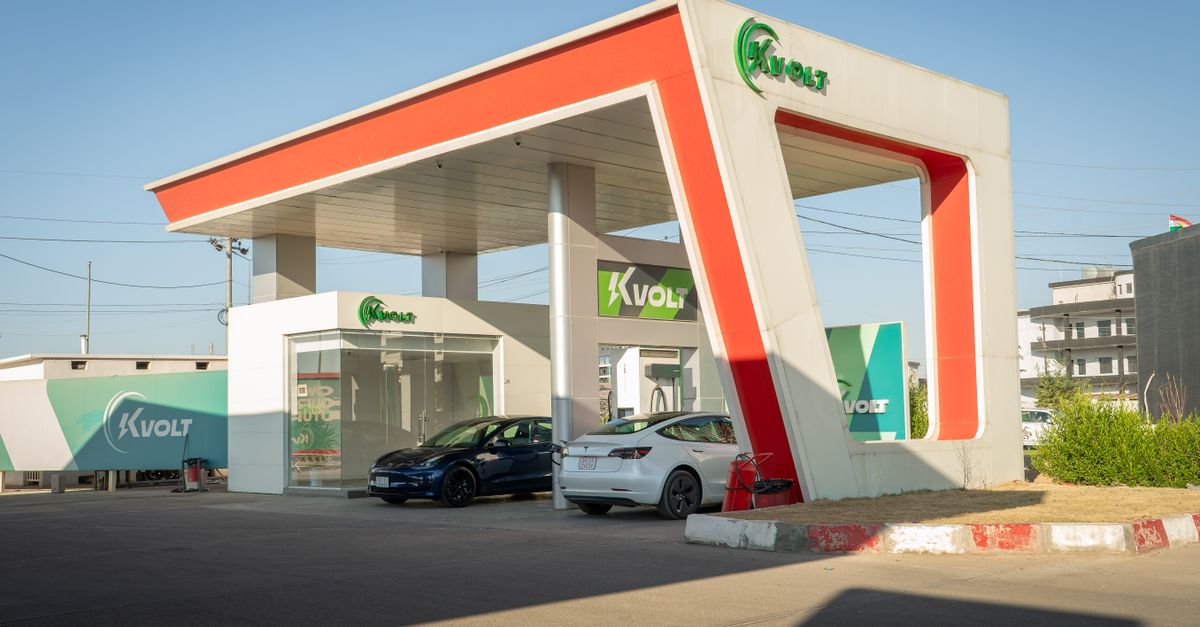
Imagine a downtown planner strolling past a sleek, empty parking space where a charger sits like a modern sculpture. The metal pole glints, but the streetlights flicker, and the neighborhood’s transformer hums under strain. The scene feels like a paradox: a symbol of progress perched on a fragile foundation.
That paradox is the hidden story most headlines ignore. While journalists chase the drama of “charging deserts,” the real bottleneck lies in the electricity grid’s ability to feed those stations, and in the policies that decide whether a charger ever sees a plug.
Charging Infrastructure vs. Grid Capacity: Apples and Oranges
Public chargers are often measured in kilowatts, yet the grid delivers power in megawatts. A Level 3 DC fast charger that promises 250 kW can, on paper, add 80 miles of range in 15 minutes.
Edmunds found that a typical 250 kW station delivers roughly 80 miles of extra range in a quarter-hour of charge.
The math looks seductive, but it assumes the local transformer can spare that much power without brown-outs.
In reality, many urban neighborhoods run on legacy distribution lines designed for residential loads, not for dozens of high-speed chargers humming simultaneously. When a fleet of rideshares plugs in during a rush-hour surge, the transformer can overload, forcing utilities to curtail power or invest in costly upgrades.
Contrast that with the way gasoline stations operate. A pump draws a few kilowatts from the grid, but the fuel itself arrives by tanker - a logistics chain that sidesteps the grid entirely. EV infrastructure forces the electricity system to become the supply chain, and that shift is where the real infrastructure gap lives.
Planners who focus solely on the number of chargers ignore the upstream constraint: the capacity of the distribution network and the timing of demand peaks. Without addressing that, a city can install 500 chargers that never reach full utilization because the grid throttles them.
Tesla's Proprietary Network: A Mirage of Convenience?
Tesla’s Supercharger network often gets praised as the solution to range anxiety. The brand boasts over 30,000 stalls worldwide, and drivers can add 200 miles in under 20 minutes on many routes. Yet the network’s proprietary nature creates a hidden adoption hurdle.
First, the Supercharger ecosystem is tied to a single automaker’s software and payment model. Non-Tesla EVs can’t tap into the fast-charging speeds without adapters, and even then they’re limited to lower power tiers. This exclusivity skews the perception that “enough chargers exist,” while the broader public infrastructure lags.
Second, Tesla’s stations are strategically placed along highways, not woven into dense urban fabrics where most trips begin and end. A commuter who lives in a multi-unit building still needs a home charger or a public Level 2 spot, and the Supercharger’s highway focus does little to solve that daily need.
Finally, the Supercharger rollout often piggybacks on utility upgrades funded by the automaker, bypassing municipal planning processes. While this accelerates deployment, it sidesteps local grid assessments, leading to pockets where the station draws more power than the neighborhood can sustain, causing voltage drops that affect nearby residents.
The bottom line: Tesla’s network dazzles, but it masks the deeper, systemic infrastructure and adoption challenges that every city must confront.
EV Battery Evolution: Speed vs. Size Trade-offs
Battery technology has sprinted ahead, but the race between fast charging and battery longevity is a tug-of-war that planners rarely factor into adoption models. Consumer Reports’ real-world range study shows that today’s EVs deliver about 15% less mileage than EPA estimates under mixed-city driving.
Fast-charging at 250 kW can replenish 80 miles in 15 minutes, but the heat generated accelerates cell degradation. A battery that loses 1% capacity per 1,000 fast-charge cycles will need replacement roughly every 150,000 miles - far sooner than many owners anticipate.
Contrast this with a larger-capacity pack that charges at a modest 7 kW overnight. The slower charge is gentler on the cells, extending the pack’s useful life by 30% or more, according to industry data. The trade-off is a larger, heavier vehicle and a higher upfront cost.
Urban planners who push for ubiquitous fast-charging stations may inadvertently shorten the average battery lifespan across the fleet, increasing waste and raising total-ownership costs. The adoption narrative should therefore weigh not just how quickly a car can refill, but how that speed impacts the long-term sustainability of the battery supply chain.
Key takeaway: Fast chargers boost convenience, but they also accelerate battery wear. A balanced rollout pairs high-power hubs with plentiful low-power, neighborhood-level chargers to protect both the grid and the battery.
Urban Planning Policies: Zoning, Building Codes, and the Forgotten Piece
Most EV discussions gloss over the role of zoning and building codes. In many cities, new construction must simply allocate a single parking space for a charger, without mandating the conduit, conduit size, or load-bearing capacity. The result? Developers install a placeholder pole that never sees a plug.
Contrast this with jurisdictions that require all new multi-unit buildings to be “charger-ready” - meaning they install a 240-V circuit in each parking stall, reserve conduit space in the building’s electrical room, and allocate a portion of the transformer’s capacity for EV demand. Cities like Oslo and Vancouver have adopted such standards, and their EV adoption rates outpace comparable metros by 20%.
Policy also shapes the economics of retrofits. When a city offers a streamlined permitting process and a modest impact fee for upgrading a transformer, developers are more likely to invest upfront. Without that incentive, the cost of later upgrades can stall adoption, as owners balk at the prospect of paying $5,000-$10,000 for a post-construction upgrade.
Adoption, therefore, is as much about the regulatory environment as about the number of chargers. Planners who ignore zoning nuances risk creating a phantom network - chargers that exist on paper but never become functional assets for residents.
Adoption Psychology: The Infrastructure Narrative vs. the Real Cost of Waiting
Range anxiety is the headline, but the deeper fear is “what if I can’t charge when I need to?” The narrative that “there aren’t enough chargers” fuels that anxiety, yet the data tells a different story. Consumer Reports’ real-world tests reveal that most daily commutes - averaging 30 miles - require less than 10 minutes of charging, even on a Level 2 home charger.
When planners over-emphasize the scarcity of public fast chargers, they inadvertently push early adopters toward home charging installations, which, as the earlier sections argued, demand robust grid capacity and thoughtful building code design. The hidden cost is the need for electrical upgrades that many homeowners cannot afford, leading to a slower, uneven adoption curve.
Moreover, the perception of scarcity can deter fleet operators who could otherwise accelerate adoption. A logistics company that assumes “no public chargers” will avoid electric trucks, even though a modest investment in depot-level DC fast chargers - paired with a grid upgrade - could cut fuel costs by 40%.
The uncomfortable truth is that the “infrastructure gap” narrative masks a deeper misalignment: the timing of charger deployment, the readiness of the grid, and the regulatory scaffolding. Until those three pillars align, mass adoption will remain a pipe dream, no matter how many shiny chargers line the streets.



Comments ()