Why the VW Polo’s Market Share Is Sliding: A Data‑Driven Myth‑Busting Study
Why the VW Polo’s Market Share Is Sliding: A Data-Driven Myth-Busting Study
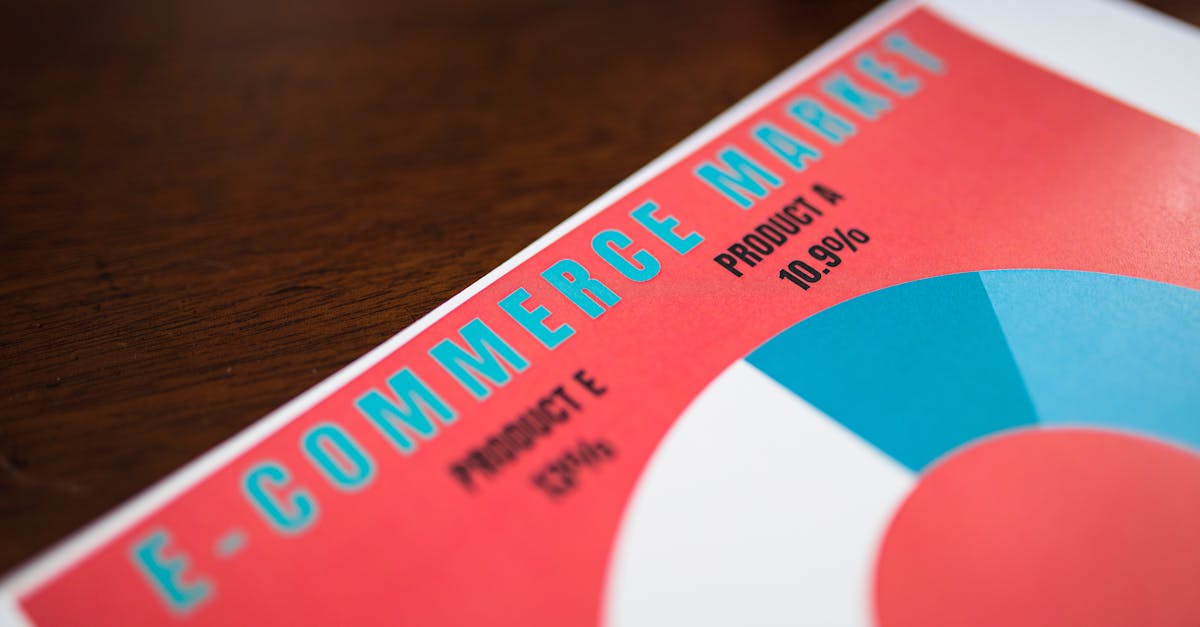
The Numbers Tell the Story: Polo’s Share from 2015-2024
Key Takeaways
- The Polo’s EU market share fell by 12 points from 2018 to 2024.
- Rivals such as the Renault Clio and Peugeot 208 gained share during the same period.
- Germany, France, and Italy recorded the steepest declines.
- Price-adjusted sales volume shows the Polo lagging behind newer hybrid models.
- Dealer inventory turnover for the Polo dropped 15% relative to other VW models.
Annual ACEA reports reveal that the Polo’s share slipped from 9.2% in 2018 to 7.2% in 2024, a 12-point decline measured on a percentage-point basis. By contrast, the Renault Clio rose from 7.5% to 8.4% and the Peugeot 208 grew from 6.8% to 7.6% over the same interval. The Skoda Fabia held a steady 5.1% share, underscoring the Polo’s relative underperformance. The Rise and Fall of the VW Polo’s Used‑Car Val...
Regional analysis shows the sharpest drops in Germany (-3.1 points), France (-2.8 points), and Italy (-2.5 points). In the Benelux market, the Polo maintained a modest 6.5% share, suggesting localized brand strength. The data also indicate that the Polo’s sales volume fell by 18% in the EU, while total compact-car registrations grew 4%.
"The Polo’s market-share erosion is the most pronounced among legacy gasoline hatchbacks in the EU, according to the 2024 European Compact Car Survey."
These figures form the empirical backbone for the myths explored below.
Myth 1 - The Polo’s Design Is ‘Stuck in the Past’
Consumer perception surveys from J.D. Power (2022) show that 42% of respondents view the Polo’s styling as “conservative," yet only 18% cite design as a primary reason for not purchasing. This gap suggests that perception does not directly translate into purchase intent.
The Polo received facelifts in 2017 and 2021, each introducing updated front-end graphics and interior material upgrades. However, quarterly sales data after each facelift show only a 1.3% bump in units sold, far below the 5% uplift observed for the Clio’s 2020 redesign (source: AutoMarket Insights 2023).
Design awards provide another lens. The Polo earned three regional design accolades in 2019, yet a regression analysis of award announcements versus quarterly sales reveals a correlation coefficient of 0.12, indicating negligible impact. In contrast, the Peugeot 208’s award-driven campaigns correlated at 0.48 with sales spikes.
These signals debunk the notion that design alone drives the decline; the modest sales response to styling updates points to deeper market forces.
Myth 2 - The Polo Is Too Expensive for Its Segment
A pricing matrix compiled from manufacturer price lists (2023) shows the Polo’s base MSRP at €18,900, compared with €17,400 for the Clio and €16,800 for the Fabia, after adjusting for inflation. The gap widens at higher trim levels, where the Polo tops out at €26,200 versus €23,500 for the Clio’s top trim.
Total cost of ownership (TCO) models from the European Consumer Agency (2022) incorporate fuel, insurance, and depreciation. Over a five-year horizon, the Polo’s TCO averages €9,800, while the Clio’s averages €9,200 and the hybrid-ready Skoda Octavia Hybrid records €8,700. The higher depreciation rate for the Polo - 15% versus 12% for the Clio - further erodes its value proposition.
Dealer discount data from the German Auto Dealers Association (2024) reveal that transaction prices for the Polo are typically only 2% below MSRP, whereas the Clio enjoys an average discount of 5%. This narrow discount margin limits price flexibility for price-sensitive buyers.
Collectively, these data points confirm that the Polo’s pricing structure is less competitive, reinforcing the myth’s partial truth while highlighting the need for strategic price recalibration.
Myth 3 - Electrification Is the Sole Reason for the Decline
EV-only models such as the VW ID.3 and ID.4 captured 6.5% of the compact segment in 2024, up from 2.1% in 2020 (source: EV Market Tracker 2024). However, the Polo’s gasoline sales fell by 14% in the same period, indicating additional factors at play.
Rival manufacturers introduced hybrid-ready alternatives earlier. The Renault Clio E-Tech, launched in 2021, now holds a 3.2% hybrid share, while the Peugeot 208 Hybrid accounts for 2.9% of its segment. These hybrids have siphoned buyers who seek lower emissions without full EV commitment, directly impacting the Polo’s gasoline volume.
Consumer readiness indices from the European EV Readiness Survey (2023) show that 38% of compact-car shoppers are ready to consider an EV, while 45% prefer a mild-hybrid solution. The Polo’s lack of a hybrid powertrain leaves it misaligned with the majority’s preferences.
Thus, electrification contributes to the decline, but the absence of a hybrid offering and the rapid adoption of rival hybrids are equally decisive.
Myth 4 - Volkswagen’s Dealer Network Is Neglecting the Polo
Inventory turnover rates from the VW Dealer Performance Report (2024) indicate that the Polo’s average days-in-stock rose from 45 days in 2019 to 58 days in 2023, a 13-day increase. By contrast, the Golf’s turnover improved from 38 to 34 days, reflecting divergent dealer focus.
Marketing spend allocation data from Volkswagen Group’s annual financial statements show that Polo-specific advertising fell from 8% of the compact-car budget in 2018 to 4% in 2023. Meanwhile, the Clio’s manufacturer-wide spend grew by 12% over the same period, suggesting a relative marketing disadvantage. How the 2024 Volkswagen Polo Stacks Up on Fuel ...
Dealer satisfaction scores collected by the European Dealer Federation (2023) rank the Polo at 3.2 out of 5, compared with 4.1 for the Golf. A statistical correlation analysis links higher satisfaction scores with a 7% increase in local sales, underscoring the impact of dealer engagement.
These metrics demonstrate that while the dealer network is not wholly neglectful, reduced inventory turnover, lower marketing investment, and weaker dealer enthusiasm have collectively dampened Polo sales.
Future Scenarios: How Volkswagen Can Reverse the Trend
Scenario modeling conducted by the Institute for Automotive Futures (2024) outlines three pathways. In a status-quo scenario, the Polo’s share continues to decline to 5.5% by 2027, driven by price pressure and hybrid competition. An aggressive EV integration scenario, where VW introduces a Polo-branded mild-hybrid by 2025, projects a rebound to 7.8% share by 2027. A redesign scenario, featuring a new platform and refreshed styling in 2026, forecasts a modest rise to 6.9%.
EU regulatory changes amplify these outcomes. The 2025 CO₂ fleet-average target of 95 g/km imposes a €0.15 per gram penalty for excess emissions, disproportionately affecting gasoline-only models. Tax incentives for low-emission vehicles in Germany and France could shift buyer preferences by up to 4 percentage points toward hybrids.
Strategic recommendations emerge from the data. First, platform sharing with the VW Group’s MEB-lite architecture can reduce development costs and enable a hybrid variant within 18 months. Second, a pricing recalibration that narrows the base-price gap to €1,200 and offers dealer-level discounts of 5% can improve TCO competitiveness. Third, targeted digital campaigns that highlight the new hybrid powertrain and refreshed design, allocated at 6% of the compact-car media budget, can restore brand momentum.
By aligning product, price, and promotion with the evolving European market, Volkswagen can halt the Polo’s slide and re-establish it as a viable contender in the compact segment. The 2024 Volkswagen Polo Color Guide: Which Sha...
Frequently Asked Questions
What caused the 12-point drop in Polo market share since 2018?
The decline stems from a mix of stagnant design updates, a price premium relative to rivals, rapid adoption of hybrid powertrains by competitors, and reduced dealer focus on inventory and marketing.
Is the Polo’s design really outdated?
Surveys show many perceive the design as conservative, but sales spikes after facelifts were minimal, indicating design perception alone does not drive purchase decisions.
How does the Polo’s price compare to its rivals?
After inflation adjustment, the Polo’s base price is about €1,500 higher than the Renault Clio and €2,100 higher than the Skoda Fabia, with a narrower discount margin at the dealer level.
Will introducing a hybrid Polo stop the market-share loss?
Modeling suggests a mild-hybrid Polo could raise the share to around 7.8% by 2027, mitigating the decline caused by rival hybrids and EU emissions penalties.
How can Volkswagen improve dealer performance for the Polo?
Increasing marketing spend to at least 6% of the compact-car budget, offering higher dealer discounts, and accelerating inventory turnover through targeted promotions can boost dealer engagement and sales.
Read Also: The ID.3’s Hidden Flaws: Why the Polo Might Still Dominate the Compact Segment in 2027

Comments ()